
Future of Telecom: How 5G and AI are Reshaping Hardware Replacement Cycles
The telecommunications industry is moving through an unprecedented structural shift driven by the simultaneous acceleration of artificial intelligence and advanced 5G networks. For decades, telecom operators built their business models on a predictable seven-to-ten-year hardware depreciation scale. You installed a chassis, maintained it through minor firmware updates, and allowed it to slowly pay for itself over a decade of continuous service. As we navigate the middle of 2026, that traditional lifecycle model is completely dead.
The problem is that the immense processing demands of AI workloads and the distributed nature of modern networks are forcing a massive compression of hardware replacement cycles. Platforms are facing obsolescence in a fraction of the time anticipated by legacy accounting practices. This acceleration represents a massive financial and operational risk for companies that do not adapt their infrastructure strategy to match the speed of modern technological evolution.
The Compute Demand of the Distributed Edge
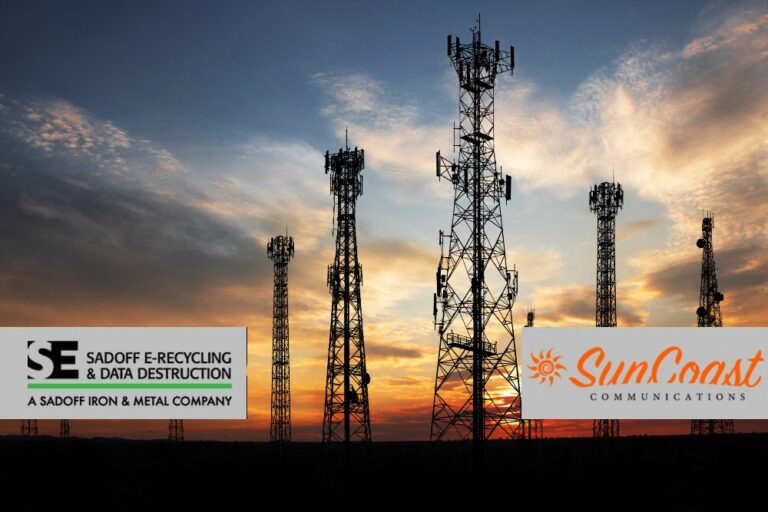
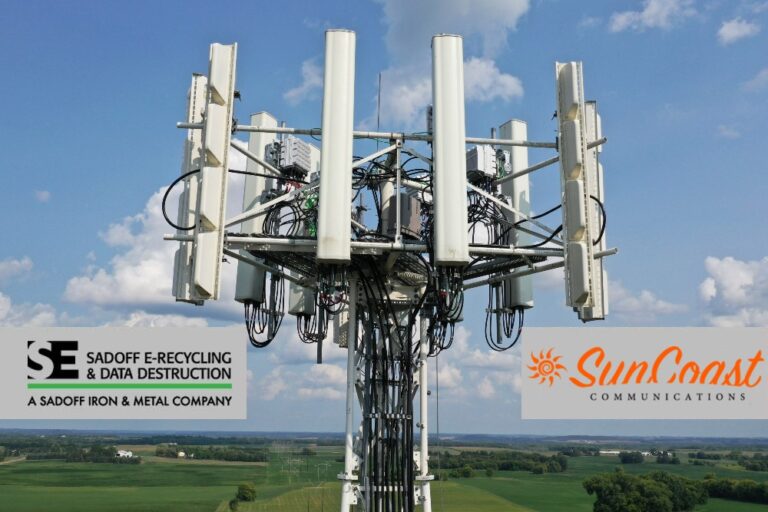
The primary driver of this compressed lifecycle is the relocation of compute power. Traditional telecommunications networks were designed to move data from a user to a centralized data center where the heavy processing occurred. Artificial intelligence has broken this model entirely. Applications like autonomous logistics, industrial robotics, and real-time visual diagnostics require sub-millisecond latency, which means the AI processing must happen at the edge of the network, right at the base of the cellular tower or within regional switching hubs.
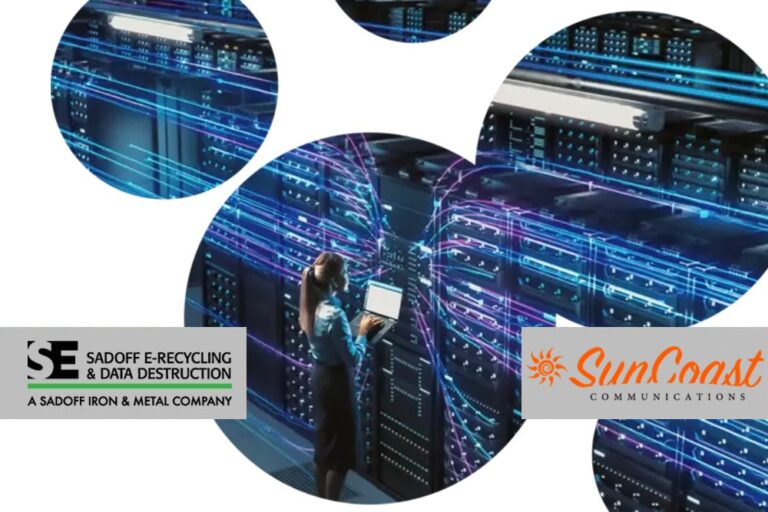
To support this shift, operators are forced to pack high-density processors, optical transport amplifiers, and advanced routing fabrics into facility enclosures that were never designed for that level of thermal and electrical density. Hardware that was considered state-of-the-art three years ago simply does not possess the processing architecture or the cooling compliance required to handle these modern distributed workloads. The resulting rip-and-replace wave is generating a massive volume of legacy infrastructure that must be managed strategically.
What is the IT Infrastructure Decommissioning Process?
The Financial Crisis of Capital Expenditure Acceleration

When hardware replacement cycles compress from ten years down to three or four, traditional capital expenditure strategies break down. Network operators cannot afford to continuously buy brand-new OEM hardware at full price for every layer of their infrastructure without destroying their operating margins. If you are trapped in a cycle of constant, full-price upgrades, your business model is financially unsustainable.
The solution to this crisis is the aggressive implementation of a hybrid hardware procurement strategy. Forward-thinking operators are realizing that while the bleeding-edge AI core requires brand-new processors, the supporting transport layers, backhaul routing fabrics, and regional edge redundancy can be built exceptionally well using certified refurbished enterprise hardware. SunCoast Communications acts as the critical partner in this new economic landscape, providing the engineering validation that allows operators to scale their networks without blowing their capital budgets.
Read More: How-To Guide for IT Asset Disposition (ITAD) for Business
Turning Accelerated Asset Turnover into Immediate Working Capital
A compressed replacement cycle means that the equipment you are retiring is no longer ancient, worthless junk; it is often high-performance, relatively modern enterprise gear that still holds immense value on the global secondary market. Leaving this hardware to sit in a warehouse or handing it to a generic junk scrapper is a massive financial mistake.
SunCoast transforms this accelerated asset turnover into immediate working capital for your business. We perform the professional decommissioning, certified data sanitization, and rigorous lab certification of your retired hardware, remarketing it through our global channels to international operators who are still expanding previous-generation networks. We ensure that you recover the maximum residual value from your hardware at the exact moment you need to fund your next modernization cycle.
The Era of Strategic Asset Velocity
The telecommunications leaders of the next decade will not be defined merely by the speed of their fiber lines, but by the velocity and efficiency of their asset management. You must learn to treat your physical infrastructure as a dynamic portfolio that moves continuously through a lifecycle of deployment, recovery, and reinvestment.
Stop allowing legacy depreciation timelines to restrict your network agility. Contact SunCoast Communications today to learn how our lifecycle management and certified hardware programs can protect your margins and fuel your transition to an AI-driven future.