

Copper Retirement Is Emptying Central Offices: Now What?
For decades, the central office was the heart of the copper telephone network. Now carriers are shutting it down. AT&T has announced plans to retire most of its copper network by late 2029, with regulators approving copper service discontinuation across large portions of its footprint. Other carriers are following suit. As customers migrate to fiber and wireless, central offices once buzzing with switching and transmission equipment are falling silent, each filled with hardware that must be relocated.
What Copper Retirement Leaves Behind
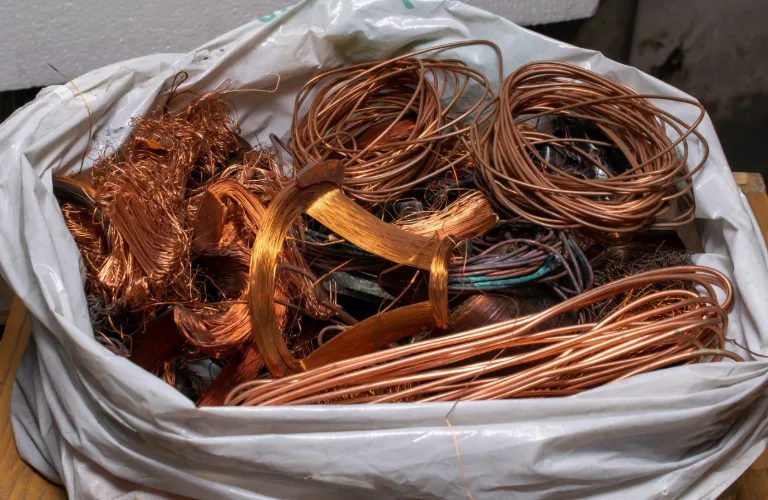
A copper-service central office contains far more than wiring. Typical equipment includes:
- Legacy voice switching and the shelves and cards that support it
- DSLAMs and digital loop carrier equipment that delivered broadband over copper
- Transmission and multiplexing gear that connected the office to the wider network
- DC power plants, including rectifiers, distribution, and large battery strings
- Cable, cross-connects, and distribution frames, some of it decades old
Some equipment retains value; some is purely recyclable. Distinguishing between them before demolition determines profit or loss.
Not Everything Should Go to Scrap
When copper service retires in one market, identical equipment often remains operational elsewhere. Carriers and independents still transitioning need legacy platform spares, long discontinued by manufacturers.
This makes clean, tested cards and shelves from decommissioned offices valuable on the secondary market. Carefully removed, labeled, and packed equipment can be resold/redeployed. Equipment ripped out and dumped in scrap bins cannot.
Plan the Decommission Before the Cutover
Central office decommissioning succeeds when planned before final customer migration. This includes:
- A full inventory of equipment, with part numbers and revisions where possible
- Clear identification of what is still live, what supports adjacent services, and what is truly idle
- A recovery plan that separates resale candidates from recycling
- Battery and power handling by qualified crews, since large battery plants carry safety and shipping requirements of their own
- Documentation of everything removed, for asset records and environmental reporting
Our central office decommissioning checklist walks through the process step by step.
Handle the Recycling Responsibly
Equipment without resale value still requires responsible destinations. Older cable plant may contain materials needing careful handling, and battery plants must be recycled through proper channels. Carriers increasingly must document disposal destinations, especially for sustainability reporting.
Through our partnership with Sadoff E-Recycling & Data Destruction, SunCoast pairs asset recovery with certified recycling in the same project, so value recovery and responsible disposal happen together under one chain of custody.
Turn a Quiet Office Into Recovered Value
Copper retirement follows regulator/carrier timelines, with equipment volumes leaving central offices growing through the decade. Carriers planning decommissioning early recover more value and avoid surprises.
If you are preparing to retire copper infrastructure, contact SunCoast to talk through your inventory and timeline.