
Streamlining Network Consolidation: A Guide to Post-Merger ITAD
Mergers and acquisitions are celebrated as strategic victories. But for the IT directors on the ground, a merger marks the beginning of a massive logistical headache. Your team suddenly inherits a duplicate network. You have two data centers where you only need one. You have overlapping branch offices and a closet full of legacy hardware that does not integrate with your standard architecture.
This redundant infrastructure is a drain on your resources. Every day those duplicate systems stay online, they consume power and cooling and rack space. Most importantly, they represent a significant security risk.
The Security Gap in Acquired Networks
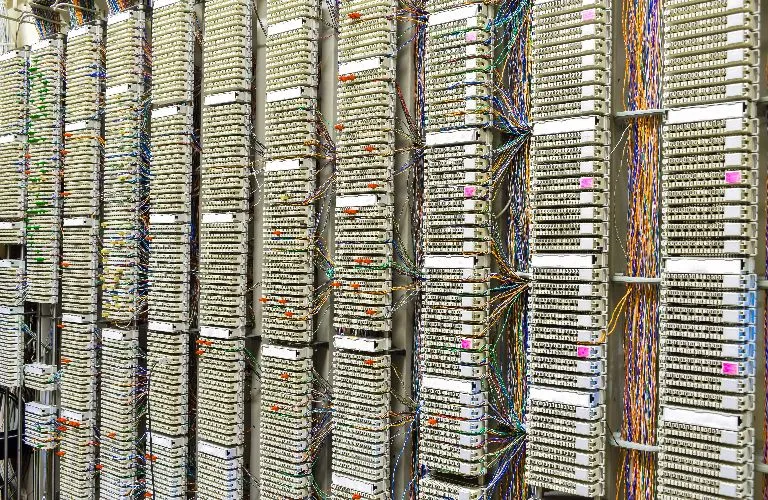
The most dangerous period for network security is the transition phase of a deal. You are responsible for a network you did not build. You do not know where every patch cable goes. And, you do not know if every firewall rule is up to date. Old and unmonitored infrastructure is a favorite target for bad actors. If you leave a redundant network running in the background, you are leaving a back door open to your enterprise environment. Speed is security. The faster you can identify and physically remove redundant assets, the lower your risk profile becomes.
Why Internal Teams Struggle with Decommissioning
The problem is that your internal IT team is already overwhelmed. They are focused on the integration and getting users migrated. They do not have the bandwidth to spend weeks un-racking servers and cataloging serial numbers. When internal teams try to handle decommissioning on the side, mistakes happen. Drives get missed during the wiping process. Expensive hardware gets damaged in transit. This is why you need a specialized partner who focuses exclusively on the exit strategy.
The Secondary Market for Used Enterprise Networking Gear
The SunCoast Approach to Rapid Decommissioning
SunCoast Communications specializes in the rapid and secure removal of redundant network infrastructure. We act as the cleanup crew that follows the integration team. Once you migrate the data, we move in. Our process starts with a comprehensive audit. We do not just start unplugging cables. We map the physical assets to your inventory to ensure we are taking the right equipment.
At SunCoast, we handle the physical labor of de-installation. This is heavy work that carries a risk of injury for untrained staff. Our teams have the expertise to safely remove heavy chassis switches and server racks without damaging the facility.
Turning Redundancy into Revenue
The hidden upside of an acquisition is the value locked in that redundant hardware. The company you bought likely had enterprise grade gear that still has market value. Because SunCoast is a global remarketer of IT hardware, we can turn your decommissioning project into a revenue generator. We audit the equipment and wipe the data and then refurbish the assets for resale.
The revenue from this resale can often offset the entire cost of the decommissioning project. In many cases, our clients end up with a check rather than an invoice. You can use these funds to help pay for the new integrated infrastructure you are building.
Read More: Beyond Servers—Full Data Center Asset Recovery
Chain of Custody is Non-Negotiable
Throughout this process, we maintain a strict chain of custody. You will know exactly when every asset left the building. We provide certified data sanitization for every drive, ensuring the acquired company data does not leak out. Do not let redundant networks sit idle. Partner with SunCoast Communications to execute a surgical and profitable decommissioning strategy.